Community Charm Adds Value to the Rental Market in Helena, Alabama
Introduction
A distinctive community atmosphere creates the type of environment that influences both lifestyle and property value. In the city of Helena, Alabama, the connection between community character and rental desirability is visible in every aspect of daily life. The combination of natural beauty, thoughtful urban planning, and a genuine sense of civic pride contributes to Helena’s appeal as one of the most desirable residential areas in the Birmingham metropolitan region. Residents are drawn to a setting that merges scenic surroundings with a calm pace of living while remaining close to essential conveniences. The resulting balance produces a rental market defined by consistency, stability, and long-term interest from tenants who appreciate quality of life as much as the home itself.
The atmosphere of Helena contributes to property value retention because the community has established a clear identity that supports sustainable growth. Residents often participate in city initiatives and neighborhood projects, reinforcing the collective commitment to maintaining attractive living conditions. Parks, walking trails, and preserved natural areas form part of the city’s visual landscape, adding an element of charm that strengthens the local market. When people choose to live in Helena, they often do so with the intention of remaining, a factor that benefits both property owners and tenants through reduced turnover and stable neighborhood cohesion.
Community interaction and civic engagement also enhance Helena’s rental desirability. Events such as local markets, music gatherings, and family festivals foster a shared sense of belonging that extends beyond individual properties. The presence of these social anchors builds a network of relationships that sustain satisfaction among residents. Properties within this environment benefit from consistent interest because renters often seek more than a temporary dwelling; they look for a lifestyle supported by the kind of community engagement Helena continually promotes. The city’s charm is not constructed through marketing but through authentic, lived experiences that make every neighborhood part of a greater collective identity.
Helena’s Distinct Community Character
Small-Town Setting with Modern Access
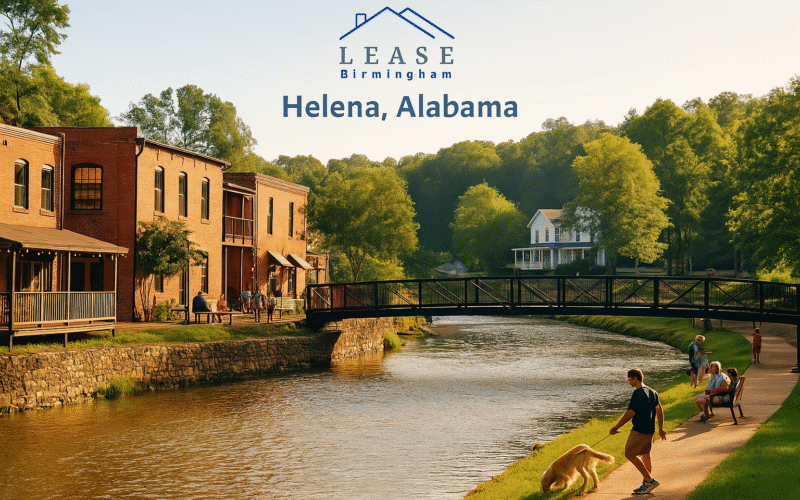
Life within this community reflects an intentional balance between small-town atmosphere and contemporary convenience. The peaceful surroundings are framed by rolling hills, wooded areas, and the soft sound of Buck Creek that flows through the city’s center. Many residents describe the daily rhythm as unhurried yet productive, a rare combination in the Birmingham metropolitan region. Neighborhoods are quiet enough for children to ride bikes safely while remaining minutes from retail centers, dining options, and major employment corridors. This integration of calm residential life and immediate access to modern infrastructure has created a distinctive environment that remains attractive to renters seeking stability without isolation.
Connectivity shapes Helena’s success as a residential destination. Commuters travel to major employment hubs through direct routes like County Road 52, Morgan Road, and Highway 261, which link the city to Alabaster, Hoover, and downtown Birmingham. These roadways allow residents to participate fully in regional commerce while returning each evening to a community that feels separate from the noise and congestion of urban living. The proximity to these routes also supports a range of lifestyles. Some tenants choose Helena for its convenient access to medical and educational institutions, while others are drawn by the ease of reaching entertainment venues without compromising daily tranquility.
Commercial development within city limits has been measured and deliberate. Instead of sprawling retail strips, Helena features community-focused shopping areas and local businesses that blend into residential districts. Independent restaurants, coffee shops, and service-based businesses occupy restored buildings that contribute to the town’s personality. The preservation of open space between commercial zones prevents overdevelopment while ensuring convenience remains within reach. This calculated approach ensures residents enjoy the advantages of progress without losing the small-town setting that has always defined the city’s identity.
Neighborhood Layout and Local Planning
The structure of Helena’s residential areas demonstrates careful design supported by consistent civic oversight. Neighborhoods are arranged to encourage walkability and connection rather than separation. Streets are often curved and interwoven with sidewalks that lead to parks, schools, and small commercial clusters. This planning minimizes traffic through residential areas while providing safe, accessible routes for pedestrians and cyclists. Families appreciate this structure because it creates both safety and community interaction, qualities that directly influence long-term rental demand.
City planners have paid close attention to spacing between developments to preserve visual harmony and prevent density from eroding the area’s appeal. Open green areas and wooded buffers act as natural boundaries between subdivisions. This design choice not only enhances aesthetics but also improves drainage, air quality, and recreational access. Renters often identify these environmental features as deciding factors when choosing a home, particularly those seeking outdoor space without sacrificing neighborhood convenience. The layout’s emphasis on open views and accessible amenities reflects the city’s goal of creating sustainable neighborhoods that retain value.
Zoning practices in Helena maintain a balance between residential, commercial, and civic functions. Developments are approved with consideration for infrastructure capacity, school districts, and traffic management. This level of coordination prevents overcrowding and preserves the calm rhythm that residents expect. Recreational access points such as the Buck Creek Trail connect multiple neighborhoods, illustrating how urban design can enhance community life without compromising growth. The outcome is a city where rental properties benefit from consistent demand due to an organized and thoughtful physical layout.
Preservation of Local Identity
City leaders and residents have made a concerted effort to preserve Helena’s historical and cultural roots. The heart of this effort lies in Old Town, where restored buildings line a walkable district filled with local businesses, art spaces, and community gathering spots. Structures dating back to the late nineteenth and early twentieth centuries serve as tangible reminders of the area’s industrial origins. The adaptive reuse of these buildings not only safeguards local history but also provides modern function through dining establishments, galleries, and boutique retail. Renters find this connection between heritage and everyday life appealing because it produces a sense of authenticity uncommon in newer developments.
Cultural events continue to reinforce the city’s identity. The Buck Creek Festival, a long-standing local tradition, brings residents together each spring to celebrate the natural and social fabric of Helena. Activities take place along the waterway that historically supported the city’s early industries, blending environmental appreciation with civic pride. Seasonal events such as market days and outdoor concerts strengthen these bonds, giving residents ongoing opportunities to engage with their neighbors and surroundings. Tenants who participate in these experiences often develop lasting ties to the area, contributing to stable occupancy rates and consistent community involvement.
Preservation extends beyond cultural events and historic buildings to include environmental stewardship. Green initiatives support the protection of Buck Creek’s ecosystem and the surrounding wooded areas. City programs encourage residents to maintain landscaping that complements natural features rather than replacing them. This approach ensures that growth enhances rather than diminishes the local environment. Renters benefit from this effort through improved air quality, scenic surroundings, and the assurance that Helena’s charm will endure. The integration of history, nature, and community pride forms the foundation of Helena’s enduring identity and continues to elevate the value of living and leasing within its boundaries.
Influence of Community Amenities on Rental Demand
Parks and Outdoor Recreation
The natural landscape within this community contributes directly to the appeal of its rental market. Joe Tucker Park serves as a prime example of how green spaces shape lifestyle value. The park includes a lake surrounded by walking paths, sports fields, and picnic areas that remain active throughout the year. The design of this park encourages family gatherings, youth sports, and community recreation, reinforcing the sense of belonging that defines Helena’s neighborhoods. Renters consistently value proximity to such amenities because they provide accessible opportunities for leisure without the need for travel to larger regional parks.
Buck Creek adds another layer to the city’s outdoor identity. The waterway runs through the center of town, connecting neighborhoods to Old Town and the Buck Creek Trail system. This trail extends several miles and links parks, schools, and residential zones, allowing residents to walk or cycle safely between key community points. The presence of this corridor contributes to Helena’s distinctive appeal by merging natural beauty with functional design. It also supports property stability, as renters often prefer locations near well-maintained green spaces that enhance both aesthetics and quality of life.
Community investment in these natural areas reflects long-term planning. City maintenance crews and local volunteer groups ensure that parks remain clean, accessible, and safe for all residents. Special events such as outdoor concerts and seasonal gatherings frequently take place within these spaces, drawing large crowds and strengthening neighborhood ties. The consistent upkeep of these amenities reinforces Helena’s reputation for livability and creates an environment where tenants find daily opportunities to enjoy the outdoors.
Dining, Shopping, and Downtown Presence
Economic vibrancy and community character converge in Old Town Helena, where dining, retail, and entertainment coexist within a walkable setting. Local restaurants occupy restored buildings that overlook Buck Creek, blending historical preservation with modern convenience. Visitors and residents alike are drawn to the district’s layout, where parking areas feed directly into pedestrian-friendly streets lined with boutique shops and small businesses. This accessibility promotes regular foot traffic, encouraging social interaction and supporting local entrepreneurship. Renters who value convenience and atmosphere often select neighborhoods near downtown to be part of this active environment.
The dining scene offers variety without overwhelming scale. Family-owned establishments, coffeehouses, and regional cuisine options provide both familiarity and cultural diversity. The presence of these businesses enhances Helena’s social fabric by creating informal meeting places that foster connection among residents. Evenings bring a different rhythm, with restaurants and patios filled with conversation, music, and the backdrop of the creek’s flow. This blend of natural and social ambiance distinguishes the area from more conventional suburban developments where commercial centers often feel detached from residential life.
City officials have supported this downtown presence through infrastructure improvements, lighting enhancements, and the encouragement of mixed-use zoning. These efforts have ensured that Old Town remains vibrant while maintaining its historic integrity. Renters benefit from living near a destination that offers entertainment, dining, and retail within walking distance. The downtown area not only strengthens Helena’s cultural identity but also adds measurable value to surrounding rental properties by elevating convenience and community engagement.
School System and Family Appeal
Education serves as one of the strongest drivers of rental demand within the community. The city’s schools are consistently recognized for their high standards of instruction and community involvement, making them a major attraction for families seeking stability and quality education for their children. Proximity to well-regarded schools such as Helena Elementary, Helena Intermediate, and Helena High plays a decisive role in where families choose to live. Properties located within short distance of these schools often experience consistent occupancy as parents seek both convenience and confidence in their children’s educational opportunities.
The connection between the school system and community values extends beyond academics. Athletic programs, arts initiatives, and civic projects encourage student participation while strengthening ties between schools and the broader population. Families become engaged through parent-teacher associations, volunteer programs, and local events hosted on school grounds. This shared participation enhances neighborhood cohesion, a factor that directly contributes to the city’s sense of unity and long-term tenant satisfaction. Families renting in the area often remain for multiple academic cycles, adding to the stability of the rental market.
School facilities also contribute to overall quality of life. Modern campuses with accessible sports fields, auditoriums, and community spaces serve as focal points for activities that bring residents together. Evening ball games, theater performances, and academic fairs create consistent engagement between households and educational institutions. The reputation of these schools reinforces Helena’s appeal as a city designed around both family life and educational excellence. This synergy between quality education and community support makes the area especially attractive to renters prioritizing environment, consistency, and opportunity.
Rental Market Dynamics in Helena
Variety of Available Properties
A defining strength of the local rental market in Helena is the range of residential choices that accommodate different stages of life and lifestyle preferences. The community includes established neighborhoods with mature landscaping and tree-lined streets as well as new developments built with modern floor plans and energy-efficient designs. This blend of traditional and contemporary housing ensures that both long-term residents and newcomers can find living arrangements that align with their priorities. The coexistence of older homes with character and newer builds offering updated features creates a balanced market that appeals to a broad spectrum of tenants.
Architectural diversity enhances market resilience. Some areas near Old Town feature historic structures that reflect the city’s industrial past, often renovated to include modern amenities while maintaining their original craftsmanship. In contrast, planned developments near Hillsboro or Riverwoods incorporate walking trails, community centers, and landscaped green spaces that appeal to families and professionals. These neighborhoods provide organized layouts and uniform standards without feeling repetitive. The range of available homes ensures continuous leasing activity, as properties remain competitive and attractive to different demographics.
Local infrastructure supports this housing diversity through reliable utilities, accessible roadways, and proximity to essential services. The presence of nearby schools, shopping areas, and recreational opportunities adds measurable convenience to each property type. Renters seeking privacy, families desiring suburban comfort, and professionals requiring quick access to major highways all find compatible options. This combination of structural variety and community design results in a rental landscape that stays active throughout changing economic conditions.
Tenant Demographics
The tenant population reflects the city’s mix of opportunity, convenience, and livability. Professionals working in nearby Birmingham often select Helena for its calm atmosphere and manageable commute. These individuals typically prioritize quality housing, quiet neighborhoods, and access to amenities that balance work-life commitments. Families represent another significant segment, drawn to the area by the strength of its school system and its reputation for safety. They value spacious floor plans, yards suitable for children, and proximity to parks and schools.
A growing number of retirees and semi-retired residents have also contributed to rental demand. Many of them downsize from larger homes while remaining within the region to stay close to relatives. Their preferences differ from younger renters, focusing more on maintenance-free living and accessibility features such as single-level layouts and proximity to healthcare facilities. This blend of tenants creates a balanced population where multiple generations coexist within the same neighborhoods.
The result is a community that maintains long-term stability. High retention rates often occur because renters find the area aligned with their lifestyle goals. The combination of professional commuters, family-oriented households, and older residents creates a social structure that values responsibility and community engagement. Properties tend to remain well-maintained due to the quality of tenants attracted to the area’s standards and environment.
Seasonal and Economic Influences
Leasing activity in Helena follows a rhythm influenced by the local economy and the seasonal patterns of family movement. The strongest leasing months tend to coincide with the academic calendar, as families aim to secure housing before the new school year. This cycle drives predictable peaks in summer and early fall, allowing property managers and landlords to anticipate periods of higher demand. Professionals relocating for employment also contribute to steady turnover during these months, maintaining consistent activity within the market.
The city’s economy benefits from its proximity to Birmingham’s industrial, healthcare, and education sectors. Residents gain access to a wide employment base while enjoying the lower density and slower pace of suburban life. When regional job markets expand, the local rental sector experiences a direct benefit, as employees often choose to live in Helena while working in surrounding municipalities. The city’s manageable commute distances and infrastructure reliability make it a favored choice among those balancing work obligations with personal comfort.
Broader economic stability has allowed Helena to maintain a healthy balance between occupancy and affordability. Housing demand remains consistent even when larger markets experience fluctuation, largely due to the area’s strong reputation for safety, schools, and lifestyle. Local governance that encourages controlled growth ensures infrastructure keeps pace with population increases. The result is a predictable leasing environment that benefits both property owners and tenants while reinforcing Helena’s reputation for reliability in an evolving regional economy.
Neighborhoods That Define Helena’s Appeal
Old Town Helena
Old Town stands as a preserved link between Helena’s historic roots and its modern rhythm, reflecting the city’s transformation from a mill-centered settlement into a thriving residential community. The district follows the curve of Buck Creek, where restored brick buildings, cobblestone walkways, and iron details preserve the architecture of the late nineteenth century. Restaurants, boutiques, and art spaces now occupy these historic structures, creating a setting where commerce and culture coexist. The preservation of original facades gives Old Town a visual continuity that appeals to renters seeking authenticity and character rather than uniform suburban design.
The energy of Old Town is sustained by its function as a community gathering point. Residents often attend open-air concerts, art fairs, and seasonal markets that line the streets throughout the year. The Buck Creek Festival remains a defining event, bringing together local musicians, craftsmen, and families along the waterway. The accessibility of these amenities increases residential satisfaction for those living nearby. Renters often cite the ability to walk to community events and enjoy the combination of nature and history as reasons they choose to remain long-term.
Efforts from city leadership in Helena have ensured that Old Town continues to thrive without losing its original charm. Restoration programs, infrastructure improvements, and zoning protections keep the area vibrant while retaining its historical character. Each enhancement—whether sidewalk repair or lighting addition—reinforces Helena’s reputation for preserving its past while fostering livability. The result is a neighborhood where the value of place extends beyond real estate, forming part of the cultural identity that defines the city.
Riverwoods and Hillsboro Communities
The Riverwoods and Hillsboro communities within Helena represent the city’s successful integration of growth and tradition. Riverwoods is known for its wooded surroundings and trails that connect homes to scenic common areas. The design reflects an understanding of the natural topography, with streets winding through rolling terrain rather than replacing it. Large lots and well-maintained landscaping give the area an established feel, even in newer sections. Residents enjoy proximity to Buck Creek and neighborhood parks, making Riverwoods one of Helena’s most sought-after residential areas.
Hillsboro demonstrates a different approach to community development while maintaining the same attention to livability. This neighborhood incorporates sidewalks, playgrounds, and open spaces that encourage interaction among residents. Proximity to schools and retail areas enhances convenience for families, while design covenants maintain a uniform aesthetic. Houses reflect modern construction standards and include features such as energy-efficient systems and flexible floor plans that accommodate growing households. The community’s layout emphasizes both connection and privacy, a balance that aligns with the expectations of Helena’s rental market.
Each neighborhood contributes distinct strengths to the housing landscape in Helena. Riverwoods appeals to residents seeking natural surroundings and established architecture, while Hillsboro attracts families focused on convenience and contemporary amenities. The combination of these neighborhoods reflects the city’s approach to managed growth, allowing expansion without sacrificing character. Their sustained popularity underscores Helena’s ability to maintain balance between progress and preservation, ensuring ongoing demand from both renters and homeowners.
Accessibility to Greater Birmingham
Accessibility within Helena serves as one of the most important elements sustaining the strength of the local rental market. The city’s location in northern Shelby County places it within convenient distance of major employment centers, retail districts, and entertainment venues across the Birmingham metropolitan area. Travel routes such as Alabama State Route 261, Morgan Road, and County Road 52 connect Helena efficiently to neighboring cities including Hoover, Alabaster, and downtown Birmingham. This network provides residents with the advantage of metropolitan access while preserving the tranquility that defines Helena’s environment.
Transportation improvements over recent years have enhanced the city’s ability to handle growth without compromising safety or aesthetics. Road expansions, improved intersections, and consistent maintenance have kept traffic flow manageable even as residential and commercial activity has increased. These upgrades ensure that commuting from Helena remains both reliable and time-efficient. Residents who work in Birmingham or surrounding business districts find that this accessibility supports daily life while allowing them to return home to a quieter, more cohesive community each evening.
The city’s commitment to responsible development ensures that connectivity does not detract from Helena’s small-town identity. Green buffers, controlled signage, and preservation of natural corridors keep main routes visually appealing. Renters benefit from living in neighborhoods that provide easy commutes while maintaining the sense of separation that distinguishes Helena from denser urban centers. This equilibrium between access and atmosphere strengthens Helena’s appeal, supporting stable property values and a consistently active rental market.
The Value of Community Engagement for Long-Term Stability
Resident Involvement and Volunteerism
Community engagement in Helena plays a defining role in maintaining the city’s long-term stability and resident satisfaction. Neighborhood associations and civic groups coordinate regular initiatives focused on beautification, safety, and local outreach. These efforts go beyond casual involvement—they represent a shared commitment to the collective success of the community. Residents frequently take part in clean-up projects along Buck Creek, tree-planting events, and seasonal drives supporting local families. Such volunteer-driven programs encourage a sense of ownership among tenants and homeowners alike, which contributes directly to lower turnover and higher neighborhood cohesion.
Volunteerism extends into Helena’s schools, churches, and recreational programs, where residents dedicate time and resources to improving the quality of community life. Parent-teacher associations and youth sports programs rely heavily on local participation, creating opportunities for families to engage beyond their own households. Renters often become part of these networks soon after moving in, leading to connections that deepen their attachment to the area. This integration transforms temporary residents into long-term participants in community life, reinforcing the city’s reputation for stability and trust among neighbors.
The collaborative nature of Helena’s civic culture strengthens its ability to retain residents through economic shifts or demographic changes. Partnerships between citizens and local government ensure that public services remain responsive to the community’s evolving needs. When residents volunteer for city boards, participate in advisory committees, or assist with public improvement projects, they influence decision-making processes that affect everyday life. These opportunities for engagement give tenants a sense of contribution and investment, which translates to stronger retention rates and continued interest in the rental market.
City Events and Local Gatherings
Public gatherings and cultural events within Helena contribute to a lifestyle that encourages residents to remain connected year after year. The Buck Creek Festival, one of the most anticipated annual celebrations, attracts large crowds with live music, local vendors, and family activities along the scenic creekside. Events of this nature promote unity and reinforce pride in the city’s natural and cultural heritage. Renters who participate in such experiences often develop an appreciation for the city’s identity, finding enjoyment and meaning in its community traditions. The sense of continuity created by these gatherings strengthens relationships among neighbors and supports the social framework that underpins the local housing market.
Smaller community events held throughout the year provide ongoing opportunities for residents to interact. For instance, The Helena Farmers Market connects local growers and artisans with residents every weekend during the growing season. Outdoor movie nights, concerts in the park, and neighborhood block parties contribute to a rhythm of interaction that feels authentic rather than organized out of necessity. These events build relationships that cross demographic and generational lines, reinforcing the inclusive nature of Helena’s social environment. Tenants become part of a wider circle that values participation and cooperation, fostering loyalty that extends well beyond individual leases.
City leadership recognizes that gatherings serve more than an entertainment purpose—they build a shared culture that sustains the city’s identity. Investments in event infrastructure, such as improvements to amphitheaters, parking facilities, and green spaces, ensure these traditions continue without interruption. The consistent presence of community-centered activities has proven to be one of the most effective ways to cultivate loyalty among residents. By nurturing local involvement and providing spaces for regular interaction, Helena ensures that its neighborhoods remain vibrant, its residents connected, and its rental market grounded in genuine civic engagement.
Lease Birmingham and the Helena Rental Market
Strategic Management Practices
Property performance in Helena depends on a management structure that responds directly to the city’s residential patterns, community expectations, and neighborhood distinctions. Lease Birmingham operates with an awareness that Helena’s rental market is defined by consistency and civic pride, not by volatility. The team applies a structured management plan that reflects this environment, combining local insight with detailed oversight of property condition and tenant relations. Every process, from tenant placement to renewal, is guided by knowledge of Helena’s housing landscape and its relationship with lifestyle factors that influence leasing decisions.
A focus on preventive care ensures that each property remains aligned with Helena’s standards for appearance and maintenance. Lease Birmingham coordinates inspections, vendor partnerships, and ongoing repairs that address both immediate needs and long-term preservation. Attention is given to landscaping suited to the region’s topography, building materials that withstand Alabama’s humid climate, and exterior presentation that complements surrounding neighborhoods. These details enhance rental appeal and reduce the likelihood of vacancy, preserving both value and reputation for property owners.
Clear communication between management, tenants, and owners defines the operational consistency maintained by Lease Birmingham. Reporting systems, maintenance tracking, and transparent financial updates maintain accountability and predictability. This approach reflects the expectations common throughout Helena, where residents value reliability and professionalism. Through structured processes and locally grounded awareness, Lease Birmingham strengthens property performance and aligns operations with the city’s established culture of quality and community order.
Tailored Approach to Helena’s Character
A successful property management strategy in Helena depends on the ability to respect and reflect the city’s unique identity. Lease Birmingham applies a tailored approach that recognizes how deeply residents value neighborhood integrity, calm surroundings, and thoughtful communication. This approach avoids generic policies in favor of customized strategies suited to Helena’s varied communities—from historic areas near Buck Creek to newer developments along Morgan Road. Each property under management is evaluated not only for financial potential but also for compatibility with the city’s broader community values.
Lease Birmingham considers how civic engagement and neighborhood design influence leasing activity. Properties close to walking trails, schools, and community events are managed with attention to convenience and presentation, ensuring alignment with tenant expectations in those areas. In neighborhoods with historic character, management practices emphasize preservation and respect for architectural details that reflect Helena’s heritage. In newer subdivisions, Lease Birmingham focuses on modern amenities, efficient systems, and proactive coordination with homeowners’ associations to maintain neighborhood standards.
Coordination with local planning departments and community organizations keeps management practices relevant to Helena’s evolving needs. Awareness of zoning developments, infrastructure updates, and local improvement projects allows Lease Birmingham to anticipate changes that may affect rental operations. By combining regulatory knowledge with cultural awareness, the management approach supports long-term stability while contributing to the community’s consistent appeal.
Enhancing Value for Property Owners and Tenants
Sustaining property value in Helena requires management that unites attention to detail with an understanding of resident priorities. Lease Birmingham enhances value by maintaining consistent communication, ensuring quality upkeep, and promoting tenant satisfaction through dependable service. This consistency mirrors the expectations of Helena’s residents, who value well-kept properties and reliable management. Predictability in operations supports both tenant comfort and owner confidence, producing outcomes that strengthen the city’s reputation for residential excellence.
Retention is a direct result of tenant experience, and Lease Birmingham structures its processes to support longevity. Prompt maintenance responses, professional interaction, and clearly defined lease agreements create a sense of stability for residents. Renters who experience this level of consistency are more likely to renew, reducing vacancy rates and maintaining occupancy throughout Helena’s rental market. A well-managed property not only benefits owners but also contributes to the overall appearance and reputation of the community.
Long-term value is preserved when management decisions align with Helena’s ongoing development and community vision. Lease Birmingham evaluates properties based on location advantages, potential upgrades, and emerging tenant trends. Recommendations are informed by familiarity with local preferences, such as energy-efficient design, outdoor living space, and neighborhood walkability. This deliberate, localized strategy ensures that both owners and tenants experience the best qualities Helena offers—reliability, charm, and the sense of belonging that continues to define the city.
Conclusion
The connection between community character and rental stability in Helena is visible in the way residents, property owners, and local leadership interact to sustain the city’s appeal. The balance between progress and preservation has created a rental market that performs consistently across economic cycles. Green spaces, restored districts, and family-centered neighborhoods have strengthened Helena’s identity, ensuring that residents value the quality of life as much as the homes themselves. The result is an environment where demand remains steady because the community continues to offer more than simple convenience—it delivers a way of living defined by pride and connection.
Property management in Helena requires a detailed understanding of how these elements influence tenant behavior and property performance. Lease Birmingham applies a city-specific approach that accounts for Helena’s layout, infrastructure, and community rhythm. Management practices are designed to reflect what residents expect from a city built on cooperation and long-term investment. Decisions related to pricing, maintenance, and tenant selection are shaped by familiarity with Helena’s pace of growth, neighborhood structure, and cultural priorities. This awareness ensures that managed properties remain competitive and desirable, supporting both owner profitability and tenant satisfaction.
Sustained success in Helena’s rental market depends on attention to detail, reliability, and respect for the city’s established values. Lease Birmingham provides management that meets these standards through structured oversight and market awareness. Property owners seeking to enhance the performance of their investments in Helena can rely on Lease Birmingham to deliver consistent results grounded in local expertise and proven management practices. Those who want their properties to benefit from Helena’s community-driven strength can reach out to Lease Birmingham to learn how experienced management can turn that potential into lasting value.
Frequently Asked Questions (FAQs) – Community Charm Adds Value to the Rental Market in Helena, Alabama
1. What factors contribute to the strong sense of community in Helena?
A strong sense of community in Helena develops through active resident participation, well-maintained public spaces, and city-supported initiatives that encourage connection. Volunteer programs, neighborhood associations, and local events give residents a shared purpose, reinforcing pride in where they live. The city’s leadership supports these efforts with consistent investment in infrastructure and public amenities. Together, these elements produce a community where residents feel invested in maintaining both its character and long-term livability.
2. How does Helena’s small-town atmosphere influence the rental market?
The small-town atmosphere in Helena creates a calm, secure, and family-oriented setting that appeals to a wide range of renters. The city maintains a balance between peaceful living and access to urban conveniences, allowing residents to enjoy tranquility without losing connectivity to the greater Birmingham area. This balance attracts professionals, families, and retirees alike, leading to steady leasing activity throughout the year. The slower pace of life, combined with a strong sense of neighborly connection, supports long-term rental stability.
3. Why are parks and outdoor spaces important to Helena residents?
Parks and outdoor spaces form a major part of Helena’s appeal because they offer accessible recreation and community gathering places. Joe Tucker Park and Buck Creek provide scenic trails, sports areas, and picnic facilities that residents use daily. These spaces enhance quality of life and reinforce the city’s emphasis on outdoor activity and wellness. Properties near these amenities tend to attract tenants who value convenience and lifestyle balance, contributing to stronger demand in those neighborhoods.
4. What role does Old Town play in defining Helena’s identity?
Old Town represents the historical and cultural center of Helena. The district retains the architecture and atmosphere of the city’s industrial origins while hosting restaurants, shops, and events that maintain its vitality. Community gatherings, markets, and festivals take place throughout the year, keeping the area active and connected to modern life. Its preservation adds authenticity to the city’s image, creating an area where residents and visitors can engage with Helena’s heritage while enjoying local experiences.
5. How do the Riverwoods and Hillsboro communities reflect Helena’s growth?
The Riverwoods and Hillsboro neighborhoods illustrate how Helena has expanded without compromising its defining values. Riverwoods integrates natural surroundings and trails that preserve the area’s landscape, while Hillsboro features modern construction with family-friendly amenities. Each neighborhood supports a distinct lifestyle yet remains consistent with Helena’s focus on livability and design cohesion. Their thoughtful planning ensures that growth complements community character rather than replacing it.
6. How does accessibility to Birmingham impact Helena’s rental demand?
Accessibility to Birmingham strengthens Helena’s rental market by giving residents convenient commuting options while maintaining a quieter residential setting. Roadways such as Alabama State Route 261 and County Road 52 connect residents to employment, shopping, and entertainment centers throughout the metro area. This connectivity makes Helena appealing to professionals who want proximity to urban resources without the congestion of city living. Reliable infrastructure and manageable travel times keep Helena competitive among suburban rental locations.
7. What drives long-term tenant retention in Helena?
Long-term tenant retention in Helena is driven by a combination of quality living conditions, community engagement, and stable infrastructure. Residents form connections through civic programs, volunteer opportunities, and events that foster a sense of belonging. Well-maintained neighborhoods, responsive city services, and consistent attention to safety and aesthetics create confidence in staying long-term. These factors work together to minimize turnover and support a reliable rental environment.
8. Why does community involvement matter to Helena’s housing stability?
Community involvement strengthens housing stability by encouraging residents to take pride in their surroundings and engage with their neighbors. Volunteer projects, beautification efforts, and participation in local planning foster accountability and collaboration. When residents invest personal time into their neighborhoods, they are more likely to remain committed to maintaining property standards and community values. This sense of shared responsibility contributes directly to consistent rental occupancy and neighborhood cohesion.
9. How does Helena’s school system influence rental decisions?
The school system in Helena holds a strong reputation for academic performance and community involvement, making it a key factor for families choosing rental homes. Proximity to quality schools provides convenience and assurance of educational opportunity. Parents often prefer to remain within the same district to maintain continuity for their children, contributing to long-term tenancies. The integration of education, extracurricular activities, and civic engagement strengthens Helena’s appeal to families seeking stability and quality of life.
10. What makes Helena’s rental market different from nearby communities?
Helena’s rental market stands out because it merges historical preservation, environmental planning, and community engagement into one cohesive framework. The city manages growth carefully to protect open spaces and historic districts while encouraging responsible development. Residents benefit from strong infrastructure, safe neighborhoods, and a consistent sense of civic unity. This combination of character and modern convenience sets Helena apart as a community that offers both lifestyle quality and long-term investment strength.